The use of AI is becoming ever more prevalent in today’s society. While it can be a useful tool, it has unfortunately led to the technology being used to create fraudulent customer returns, with AI generated images.
Industry supplier Ring has become aware of such practices while operating its returns procedure, and is now warning businesses to be on the lookout for fake images, and AI generated content that could be used as part of a scam.
Ring is more than willing to look into any complaints it receives. However, the company is also committed to protecting its reputation and the quality of its products. Therefore, the business has a thorough returns procedure to ensure that it gets all information required.
However, with the growing accessibility of AI, the company has begun checking for any AI generated activity.
AI use in complaints
Unfortunately, an image recently submitted showed a product defect, which was then run through multiple AI detection software platforms, as is now a standard procedure in the quality control department, and was found to be an AI generated image.
This particular scam intended that the person got a full refund, even though, due to the supposed fault, the product could not be returned, and so they planned to keep the product as well as receive the refund.
This instance has led to Ring updating its complaints procedure further and is now warning the industry to be vigilant to this potential risk.
“Not only do these false claims reflect badly on our products, it also impacts our customers,” commented Marketing Director for Ring, Henry Bisson. “If a return is processed through a customer of ours and it’s our product, they will rightly come to us. However, if the return is fraudulent, that either leaves our company or our customers out of pocket.
“Therefore, we’re trying to inform everyone in the industry of this scam and not just our customers. Furthermore, the entire sector needs to continue to enforce the quality standards it has built up over decades, because these fraudulent claims can have a significant impact on not only our individual businesses, but our industry as a whole.
“This is the first time we’ve experienced this kind of scam, but thankfully, we have procedures in place to help protect us. So, well done to the employee who caught it before it was paid out.
“So to everyone in this industry, especially companies that sell products that need to be shipped in a particular way due to hazardous materials, for example, we wanted to raise the matter to help avoid it becoming a regular occurrence.”
Recognising AI generated content
AI could be used by some to present faults and failures that have simply not occurred. A photo of an engine bay with a broken component, or a car leaking fluid, could be used to claim compensation from a workshop, when the vehicle is, in fact, in perfect health.
There are websites available that can help to spot AI generated images. These can help if you are unsure of the content, or want to back up any complaints received.
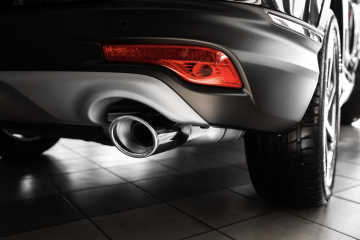
Some AI images are more obvious than others, such as the one at the top of this article. But with more sophisticated AI programmes out there, it may not be too long before you need to question any image sent as part of a complaint.