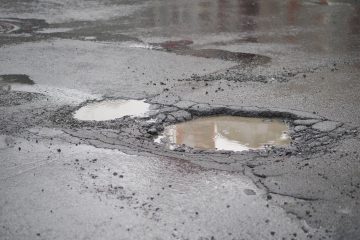
The number of drivers suffering from pothole impacts and breaking down rose by 25% between July and September, according to the latest figures from the RAC’s pothole index.
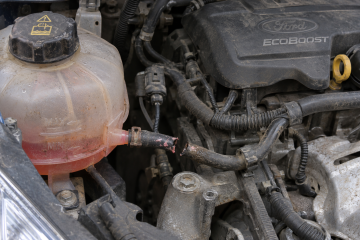
The breakdown provider attended 5,035 pothole-related breakdowns this summer, for jobs such as broken suspension springs, distorted wheels and damaged shock absorbers. This is up from 4,040 problems reported during the same three months of 2024.
Over the 12 months to the end of September 2025, drivers were direct victims of potholes on a total of 25,758 occasions. This was an 11% rise on 23,147 during the same period a year earlier, and a concerning ‘early warning sign’ ahead of the generally colder, wetter months to come.
On average, the RAC attended 71 pothole-related breakdowns a day over this period, up from 68 a day over the previous 12 months.
Road conditions still a concern
The RAC research shows that the condition and maintenance of local roads, those which drivers generally begin and end their journeys on, remains a top concern for the nation’s drivers.
Of those surveyed, 47% said the state of local, council-run roads is their top bugbear for 2025, although this is down from 56% last year.
However, while 59% said the local roads they drive on are in a worse state this year than last, this is down sharply on the 73% who said the same in 2024. In addition, the proportion of drivers that say these roads are in a better condition has reached 12% this year, double last year’s 6%.
Taken together, these figures suggest drivers feel the ‘rot’ has perhaps been stopped when it comes to the state of these roads. But despite this, 29% still said their vehicles had suffered from pothole-related damage over a 12-month period.
Preventative pothole maintenance
The RAC, alongside industry bodies such as the Road Surface Treatments Association (RSTA) and Road Emulsion Association (REA), has long argued that the solution to Britain’s broken roads is for local authorities to carry out more preventative maintenance.
These treatments, which include surface dressing, keep roads in a better condition for longer, reserving resurfacing for the very worst roads that are beyond reasonable repair.
While figures previously analysed by the RAC show that only a small proportion of roads have received any form of preventative maintenance treatment in recent years, new multi-year funding from central Government gives councils the opportunity to finally change that. The Government is also now requiring councils to show how much preventative maintenance they are carrying out.
“Confirmation that more drivers fell afoul of potholes this summer compared to last is troubling,” commented RAC head of policy Simon Williams. “If nothing else, it underlines the gargantuan task of getting the roads that millions of people rely on back to a respectable standard after years of neglect.
“Every pothole breakdown means hassle, frustration and ultimately cost for drivers, up to £590 for anything worse than a puncture. For those on two wheels, they are an out-and-out danger.
“But the tide might finally be turning. Despite the disappointing breakdown figures, a small but growing proportion of drivers tell us their local roads are in a better state than 12 months ago. The Government is also applying pressure on councils to do the right thing when it comes to maintaining the roads, requiring each authority in England to set out precisely what preventative maintenance it has done and plans to do, something we have long called for.
“As a country, we are a long way off having the roads that everyone deserves. But we hope the rot has at least been stopped, and that new multi-year funding settlements give local authorities the certainty they need to plan and deliver better road maintenance programmes. This will not only fix the roads that are in a desperate state but prevent future potholes from appearing in the first place.”
Cost-effective solutions
Road Surface Treatments Association chief executive Mike Hansford said: “It is important highway authorities consider using cost-effective preventative maintenance treatments on roads that are currently in good condition, to keep them that way for longer.
“We would also encourage them to repair potholes and other damage as permanently as possible and, where appropriate, treat these roads the following summer to stop water getting in and causing further damage. On extensively potholed roads, where replacement is required, they can even save money by recycling the existing materials into the new road.
“Highway authorities that adopt these practices report some of the best condition roads in the country and some of the lowest numbers of potholes per mile of network.”