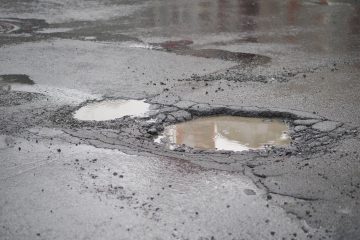
Compensation claims for pothole damage have jumped by 91% in three years, with more drivers than ever seeking for repair reimbursement.
In 2021, there were 27,731 claims made by drivers relating to damage from pothole strikes. However, data compiled by the RAC shows that in 2024, this rose to 53,015 claims. The statistics came from a Freedom of Information request, submitted to 207 councils across England, Scotland and Wales.
Of these, 177 authorities responded, with their annual figures from 2021 onwards showing a steep rise in pothole damage claims. The worst of these was Derbyshire Council, which saw just 224 requests in 2021. This jumped to 3,307 submissions in 2024, a rise of 1,376% across the three-year period.
Glasgow City Council took second place, with claims up by 145%, from 1,140 in 2021 to 2,704 in 2024. Oxfordshire County Council was third, with an increase of 298%, from 488 claims to 1,941 submissions.
However, while the number of pothole damage claims compared to 2021 is concerning, the RAC noted that year-on-year increases has come down. Those responding to the FOI submission received a total of 56,655 claims in 2023, meaning requests in 2024 dropped by 6%.
However, with the RAC Pothole Tracker showing the number of potholes is increasing, it could be a case of drivers not claiming for damage, shallower potholes, or a general lack of care around car maintenance that is preventing numbers from rising.
Few councils settle claims
According to the RAC analysis, 173 councils settled only 26% of pothole damage claims made in 2024, paying 13,832 of the submssions by drivers. The organisation has estimated that this amounts to around £3,564,824 paid out by councils in a single year, at an average of £390 per claim.
This is, however, less than the average of £590 in repairs that drivers of family cars can expect if their vehicle suffers anything more serious than a puncture after hitting a pothole.
Of all the councils that paid out to drivers in 2024, Merton Borough Council paid the highest average sum per claim. In total, they paid £2,267 for each of the five claims it compensated, leading to an estimated total of £11,335 paid to drivers for pothole damage.
Meanwhile the RAC estimates that Derbyshire paid out the highest amount of total compensation. Based on an average of £257 for each of the 2,355 claims it paid out, the council is thought to have spent around £605,235 compensating drivers for pothole damage in 2024.
In Scotland, the authority that paid the most per claim was Glasgow with an average of £253 paid for each of the 611 pothole damage submissions it compensated. This led to an estimated £154,724 paid out to drivers in total. In Wales, Wrexham paid the most at £2,026 for each of its 38 claims, amounting to an estimated £76,991 in total.
Earlier this year, 39% of drivers surveyed by the RAC said they would struggle to pay an unexpected repair bill of up to £500. This is less than the cost of repairing a vehicle due to pothole damage, the organisation estimates.
In 2025, a survey by the RAC found that 39% of respondents admitted they would struggle to pay an unexpected repair bill of up to £500. That is less than the cost of repairing a vehicle due to pothole damage.
Little chance of pothole damage compensation
Across England, Scotland and Wales, the data suggests drivers have a slim chance of making a successful claim for pothole compensation. Of the 172 councils that shared data for the pothole damage compensation claims they paid in 2024, a total of 77, representing 45% of those authorities, refused more than 90% of the claims they received.
Based on the Freedom of Information data shared with the RAC, Gloucestershire, Worcestershire, Medway, and Carmarthenshire and Telford all turned down 99% of claims received in 2024.
This equated to 534 refused requests in Gloucestershire, the 146 in Worcestershire, 142 in Medway, 113 in Carmarthenshire, and 76 in Telford.
Bridgend was the only council to pay out 100% of a much smaller number of compensation claims last year at 52 claims.
When it comes to the number of claims per mile of road, Glasgow City received 2,794 last year, more than double the size of its 1,203-mile network.
Four local authorities, Staffordshire, Derbyshire, Edinburgh and Bury Metropolitan, received the equivalent of one pothole claim for every single mile of their road network.
Meanwhile Surrey, which topped the list for the highest number of claims per mile in 2023, had a pothole claim for every two miles of its 3,415-mile network, at 1,513 claims in total.
A huge task ahead
“The massive three-year rise in pothole compensation claims made by drivers shows what a huge task it is returning the roads to a respectable standard,” commented RAC head of policy Simon Williams. “But it’s far from an even picture across the country, with just a handful of councils receiving the lion’s share of claims from beleaguered motorists.
“Drivers are still suffering the consequences of years of neglect to Britain’s local road network. But even if you submit a compensation claim the odds are not good, with around 40,000 requests for reimbursement turned down in 2024 alone.
“And with some councils not responding to our request for data, there’s every chance that we’re only seeing the tip of the iceberg when it comes to the claims that have been settled. But positively, councils received slightly fewer pothole compensation claims in 2024 than they did they year before.
“We’re now hopeful the dial will really begin to shift as highways authorities in England were this year given a record £1.6bn by the Government for road maintenance. And for the first time they’ve been required to show how much vital preventative maintenance they’ll be carrying out to stop potholes forming in the first place.
“On top of this, the Government has now announced multi-year settlements which will give councils the certainty they need to plan and deliver better maintenance programmes. This can only be a good thing.
“So, while the figures we’ve analysed are a cause for concern, we hope pothole compensation claims will begin to decline as local authorities increase the amount of preventative surface dressing work on their roads.”